 Snagline
What is snagging? A plain guide for new home buyers
Snagging is checking a newly built or refurbished property for small faults ("snags") such as paint runs, sticking doors, missing sealant or loose fittings, and listing them so the builder puts them right. On a new home it is usually done just before completion and in the weeks after you move in, by you or by a professional snagging inspector.
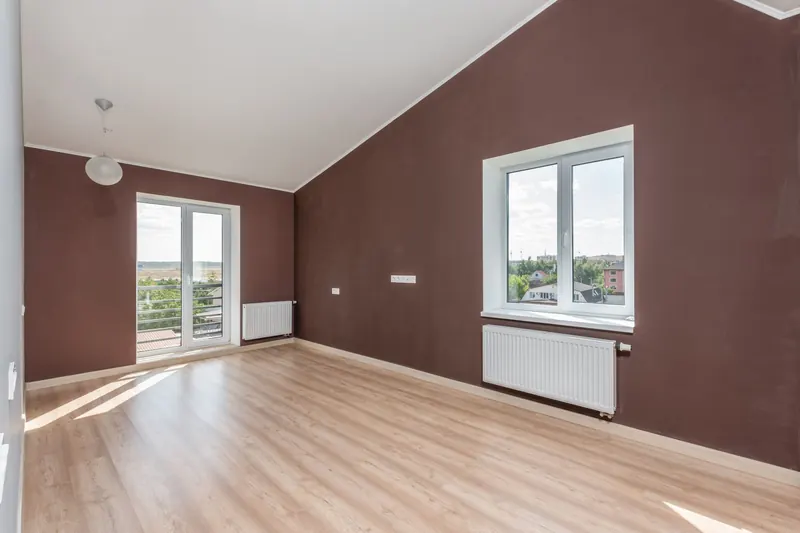
Snagging, in one paragraph
No building is handed over perfect. Snagging is the process of finding what is not quite finished, writing it down in a snag list, sending that list to the builder and checking that each item is fixed. The word is British; in the US the same job is called a punch list. Snagging happens on every kind of project, from a single extension to an office fit-out, but most people meet it when they buy a new-build home.
The New Homes Quality Code, which developers registered with the New Homes Quality Board sign up to, describes a snag as a minor imperfection or fault that does not meet the quality or finish set out in the contract of sale, usually something damaged, broken, not fitted properly or that looks unfinished.
Snag or defect: what is the difference?
The two words overlap and people use them loosely, but there is a useful distinction:
| Snag | Defect | |
|---|---|---|
| What it is | Minor fault in finish or fitting | Work that does not meet the required standard, which can be minor or serious |
| Typical examples | Paint runs, scuffs, gaps in sealant, doors that catch, missing screw caps | Leaking pipes, inadequate insulation, missing cavity trays, roof tiles not fixed, structural cracking |
| Usually found | By looking: at inspection or handover | Sometimes by looking, often only with use, weather or time |
| Who fixes it | The builder, under the contract and after-sales service | The builder at first; later, possibly the warranty provider |
In practice you report both the same way. The difference matters later: warranties treat defects in the structure very differently from cosmetic snags, and after the first couple of years cosmetic items are rarely covered at all.
When does snagging happen?
- Builder's own snagging. Before a home is offered for handover the site team walks it and fixes what it finds. You do not see this list.
- Pre-completion inspection. After the developer serves notice to complete and before legal completion, you or your inspector check the home. This is the best moment: trades are still on site and faults are fixed before you move furniture in.
- Handover. A walk-round with the site manager or customer care team, often with meter readings and a demonstration of the heating and other systems.
- After moving in. Some snags appear only with use: a shower that leaks into the ceiling below, radiators that stay cold, doors that stick once the heating dries the timber. Report them as they appear.
- Before the end of the developer's two-year period. Do a last full walk-round before the second anniversary of completion and report everything outstanding in writing.

The New Homes Quality Code and snagging
If your developer is registered with the New Homes Quality Board, the New Homes Quality Code gives you specific rights. The points below follow the version of the Code published in March 2026; check the current text on the New Homes Quality Board website and ask your developer whether they are registered.
Pre-completion inspection
- The developer must give you the opportunity to carry out a pre-completion inspection yourself, or to appoint a suitably qualified inspector to do it.
- It should take place after the notice to complete has been served and before the completion date, or earlier if you and the developer both agree.
- Inspections use the NHQB's standard Pre-Completion Inspection Checklist. If you do it yourself, the developer must tell you about that checklist and that it was designed for professionals. Its guidance includes, for example, inspecting internal walls in natural daylight from at least two metres without shining a light on the surface.
- An inspector you appoint must be a member of a recognised professional association that does residential surveying work (the Code gives CABE, CIOB, ICWCI, RICS and RPSA as examples), hold professional indemnity insurance and use the standard checklist.
- Where the inspection finds issues that breach the warranty's technical standards, the developer is responsible for addressing them, ideally before legal completion or within 30 days if that is not possible. The inspection is not meant to delay completion.
The two-year after-sales period
- The developer must explain its responsibility for putting right snags and defects that arise in the first two years after completion, and give you a written statement of its after-sales procedures and who to contact.
- You should report issues as soon as possible.
- In most situations the developer should settle an after-sales issue within 30 days. If there is a delay it must explain why and update you at least once a month.
- A snag is not automatically a complaint. If it is not put right within 30 days of being reported, you can ask for it to be handled under the developer's formal complaints procedure.
- Emergency issues, such as a total loss of heating or water or anything dangerous, are not snags. Use the developer's emergency contact straight away.
DIY snagging or a professional snagging survey?
You can snag a home yourself. Plenty of buyers do, with a printed new build snagging checklist, a torch, a spirit level and a phone for photos. Doing it yourself costs nothing and you know what you care about. The limits are knowledge and time: a non-specialist will spot paint runs and sticking doors but is less likely to notice missing cavity trays, poorly fixed roof tiles, inadequate loft insulation or ventilation that does not meet the standard.
A professional snagging inspector checks the home against building regulations and the warranty provider's technical standards as well as finish, and gives you a written report to send to the developer. Look for membership of a recognised body (RICS and RPSA are common for residential snagging; the Code also names CABE, CIOB and ICWCI), professional indemnity insurance, and a sample report you can read before booking.
What does a snagging survey cost?
Prices depend on the size of the home, the region and the firm. As one example, the HomeOwners Alliance's partner service listed standard snagging surveys in November 2026 from £350 for a studio flat, rising to £469 for a three-bed house and £569 for a six-bed house, including VAT. Re-inspections are often charged separately. Get two or three quotes and check what is included.
Which is right for you?
- Consider a professional for a house rather than a flat, for a first new build, or if you cannot be at the property in daylight before completion.
- DIY works well as a second pass: a professional report before completion, then your own list as you live in the home.
- Either way, keep everything in writing and photographed.
Warranties: NHBC Buildmark and others
Most new homes come with a structural warranty from a provider such as NHBC, Premier Guarantee or LABC Warranty, usually lasting about ten years. The details differ by provider and policy, so read your own policy document.
NHBC's Buildmark is the most common and is split in two:
- Builder warranty period (usually the first two years from legal completion). The builder must put right defects reported to them that breach NHBC's requirements, and NHBC guarantees the builder's obligations. Snags and defects go to the builder first; NHBC offers a resolution service if you cannot agree.
- Insurance period (years three to ten). NHBC covers the cost of repairing damage caused by defects in specified parts of the home, such as the foundations. Claims go to NHBC and a minimum claim value applies.
Warranties generally exclude wear and tear, lack of maintenance, alterations you make and damage covered by your buildings insurance. That is why cosmetic snags need reporting early: after the first two years they are unlikely to be covered by anyone.
How to report snags to the developer
- Use the developer's after-sales channel (portal, email or form) rather than telling someone on site.
- Send one numbered list with a location, description and photo for each item. A snagging list template makes this quick.
- Keep the date you sent it and any reference number you are given.
- Agree access for trades and note who came and what they did.
- Update the list as items are fixed, and send a new version showing what is still open.

What if the developer won't fix the snags?
Under the New Homes Quality Code the route is set out step by step:
- Formal complaint. If a snag is not put right within 30 days of reporting, or you are unhappy with the response, complain under the developer's complaints procedure.
- Developer's letters. The developer should send a Complaint Assessment and Response Letter within 30 days of the complaint start date and, if the complaint is still open, an Eight-Week Letter no later than 56 days, explaining what is outstanding and how you can go to the Ombudsman.
- New Homes Ombudsman Service. A complaint that arose within the first two years after completion can be referred to the New Homes Ombudsman Service after 56 days from the complaint start date. The Code asks customers to refer as soon as possible after that; the Ombudsman applies its own scheme rules.
- Warranty dispute resolution. Your warranty provider may also offer a resolution service for disputes about defects in the builder warranty period.
If your developer is not registered with the Code, use their own complaints process, your warranty provider's resolution service and, if needed, legal advice. Check your own contract and warranty before acting.
Recording snags as you go
Whatever route you take, the strength of your case is your record: numbered items, clear photos, dates reported and dates fixed. Snagline, a phone app we are building, keeps each snag with its photos, location, priority and status and turns them into a PDF report to send. It is not released yet; the waitlist is below.
Questions
What does snagging mean on a new build?
It means inspecting the new home for small faults in finish and fitting, such as paint runs, gaps in sealant and doors that stick, and sending a list to the developer so they are fixed.
Is a snagging survey worth it?
For many buyers, yes, especially for a house. A qualified inspector checks against building regulations and warranty standards as well as finish, and finds items a buyer is likely to miss. Prices vary with the size of the home and the firm.
Can I do my own snagging?
Yes. Under the New Homes Quality Code you can carry out the pre-completion inspection yourself using the standard checklist. Go in daylight, take your time and photograph everything.
How long does a developer have to fix snags?
Under the New Homes Quality Code a developer should settle most after-sales issues within 30 days, and if a snag is not fixed within 30 days of being reported you can make a formal complaint. Check your own contract and warranty.
Does NHBC cover snagging?
In the first two years of Buildmark the builder must put right defects that breach NHBC's requirements, and NHBC guarantees that. From years three to ten cover is for damage from defects in specified parts of the home, so cosmetic snags are unlikely to be covered.
Who do I complain to if my builder will not fix snags?
Complain formally to the developer first. If they are registered with the New Homes Quality Code and the complaint is not resolved, you can refer it to the New Homes Ombudsman Service after 56 days.