 Snagline
New construction home inspection: the phases, what each one finds, and the 11-month warranty inspection
A new construction home inspection is an independent inspection of a newly built house, usually in phases: pre-pour (foundation, before concrete), pre-drywall (framing, wiring and plumbing before the walls close), final (the finished house, before closing) and an 11-month warranty inspection shortly before the builder's first-year warranty ends. City code inspections still happen; these are for you, the buyer.
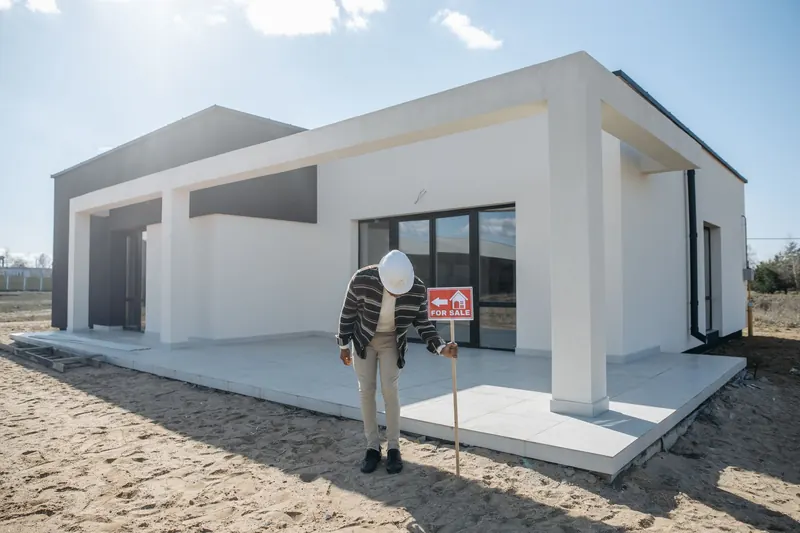
Why inspect a brand-new house?
A new house has passed the local building department's inspections, so it is tempting to skip your own. But code inspections check that the work meets minimum code at certain stages. They are not a check of finish quality, of what you were promised in the contract, or of everything that a busy site may have missed. A new home is assembled by dozens of trades over a few months, and small mistakes (a missing strap, a kinked duct, a drain line with no slope, an unsealed roof penetration) are common and easy to cover up.
An independent inspector works for you, not the builder. Their report gives you a list you can hand to the builder while the builder still has to act on it: before closing, or before the warranty runs out.
The inspection phases
| Phase | When | What it can catch |
|---|---|---|
| Pre-pour (foundation) | Forms and rebar in place, before concrete is poured | Rebar placement and cover, form layout, soil preparation, plumbing sleeves and drainage. Once the concrete is poured this can't be seen again. |
| Pre-drywall | Framing, roofing, windows and the plumbing, electrical and HVAC rough-ins done; before insulation and drywall | Framing damage or missing hardware, wiring and plumbing faults, duct runs, flashing around windows, signs of water. Usually the most valuable visit. |
| Final | House finished, before the final walkthrough and closing | Like a standard home inspection: roof, attic, structure you can see, electrical, plumbing, HVAC, appliances, doors, windows, drainage and finishes. |
| 11-month warranty | About a month before the builder's one-year warranty ends | Problems that show up once the house is lived in: settling cracks, drainage, nail pops, sticking doors, leaks, HVAC balance. |
If you can only afford some of them, buyers' guides and inspectors generally suggest prioritizing pre-drywall and final. If you are buying a house that is already part-built, you may have missed the earlier phases; start with whatever is still possible.
Pre-drywall inspection checklist
What a good pre-drywall inspection looks at, so you know what to expect in the report:
- Framing: studs, headers and joists are not cut, notched or split beyond allowed limits
- Structural connectors, straps and hold-downs are installed and nailed
- Roof sheathing and trusses are undamaged; no daylight through the roof deck
- Window and door flashing is installed and lapped to shed water
- No standing water or wet framing; no mold on lumber
- Plumbing supply and drain lines are supported, sloped and protected through studs
- Electrical boxes, cable runs and nail plates are in place
- HVAC ducts are connected, supported and not crushed
- Fire blocking and draft stopping where required
- Penetrations through the exterior are sealed
Final inspection checklist
- Roof covering, flashing and gutters; attic ventilation and insulation
- Grading and drainage away from the foundation
- Electrical panel, breakers, GFCI and AFCI protection, outlets and fixtures
- Plumbing: water pressure, drains, water heater, visible leaks
- Heating and cooling: operation, airflow at registers, condensate drains
- Appliances run and are installed correctly
- Windows and doors operate, latch and seal
- Interior finishes: walls, ceilings, floors, trim, cabinets and counters
- Smoke and carbon monoxide alarms present
- Garage door safety reverse works
Use the inspector's report alongside your own final walkthrough checklist, and get the builder to agree in writing what will be fixed before closing.
The 11-month warranty inspection
Most builders give a one-year warranty on workmanship and materials, with longer cover for systems and major structural items; some warranties run longer, and terms vary by builder, by state and by whether a third-party warranty company backs them. Read your warranty to see what is covered and how to make a claim.
The 11-month warranty inspection is a full inspection booked shortly before the first year ends, so there is time to send the builder a list and have the work done while it is still covered. Inspectors suggest booking it with at least three or four weeks of warranty left. Things it typically finds:
- Drywall cracks and nail pops as the framing dries and settles
- Doors that stick or no longer latch
- Grading that has settled toward the house, or downspouts discharging too close
- Small plumbing leaks under sinks and at the water heater
- Uneven heating and cooling between rooms
- Caulk and grout that has opened up around tubs and showers
- Roof, flashing and attic ventilation issues
Keep a running list during the year as you notice things. When the inspection report arrives, merge the two and send one numbered list to the builder's warranty department, in writing, before the deadline.
How to get the builder to fix what's found
- Send one numbered list, in writing, through the channel your warranty specifies (often an online portal or email). Keep a copy.
- Make every item findable: room, exact spot, what's wrong, a photo. "Primary bedroom closet: ceiling crack, 18 in., above the door" gets fixed; "cracks upstairs" gets argued about.
- Separate urgent items (leaks, electrical, safety) and ask for those first.
- Track each item until it is fixed and checked: open, scheduled, fixed, closed. This is the same discipline contractors use for a punch list.
- Re-check after repairs and note anything not done before the warranty period ends.
Choosing an inspector
- Look for an inspector licensed or certified where your state requires it, who regularly inspects new construction.
- Ask for a sample report: photos, clear locations and plain-language explanations make it easier to get items fixed.
- Check the builder's rules on site access for phase inspections before you book; some builders require notice or restrict visits.
- Prices vary by region, house size and number of phases, so get quotes rather than relying on national averages.
Recording your own list through the year is easier on a phone. Snagline gives each item a number, a marked-up photo and a status, and produces a PDF you can send to the warranty team.
Questions
Do you need a home inspection on new construction?
It is not required, but it is widely recommended. Code inspections check minimum standards at certain stages; an independent inspector checks quality and finds problems while the builder still has to fix them.
What is a pre-drywall inspection?
An inspection after framing and the plumbing, electrical and HVAC rough-ins are done, but before insulation and drywall cover them. It is the only time those parts of the house can be seen.
When should I schedule an 11-month warranty inspection?
About a month before your builder's one-year warranty ends, so there is time to send the builder your list and get the repairs done while they are still covered.
What does an 11-month warranty inspection find?
Usually problems that show up after living in the house: drywall cracks and nail pops, sticking doors, settled grading, small leaks, uneven heating and cooling, and gaps in caulk and grout.
Is the final walkthrough the same as the final inspection?
No. The final inspection is done by a professional inspector; the final walkthrough is the buyer checking the house with the builder before closing. Doing both gives you the best list.